Upholstery Cleaning for Bromley High Street Cafes and Shops: A Practical Guide for Busy Front-of-House Spaces
Bromley High Street moves at a pace that anyone in hospitality or retail will recognise. Cups clink, customers drift in with muddy shoes, a jacket catches the edge of a banquette, and by closing time the seating can look a little tired even when the rest of the premises is spotless. That is where upholstery cleaning for Bromley High Street cafes and shops really earns its keep. It is not just about appearances, although that matters. It is about comfort, hygiene, first impressions, and protecting the furniture you have already paid for.
If you run a cafe, deli, salon, boutique, or small retail space, clean seating and soft furnishings quietly shape how people feel in your business. A fresh armchair near the till, a clean bench by the window, or a spotless waiting seat can make a place feel cared for. And honestly, customers notice. Sometimes more than we think.
This guide explains how commercial upholstery cleaning works, what methods suit different fabrics, what to avoid, and how to plan cleaning around trading hours without turning the place upside down. You will also find a checklist, a comparison table, and practical advice for choosing the right approach for a Bromley High Street business.
Why Upholstery Cleaning for Bromley High Street Cafes and Shops Matters
In a high-footfall location, upholstery gets hit from all sides. Grease from food, coffee drips, dust from the street, make-up transfer, pet hair on coats, rainwater, and the general wear of people sitting down and getting up all day. It adds up. Fast.
For cafes, soft seating can directly affect the customer experience. A stained banquette or a lingering smell in the upholstery can undo the good work of polished tables and a clean floor. For shops, fitting rooms, waiting benches, window-seating, and display chairs all contribute to the impression of the brand. If the upholstery looks neglected, the space can feel neglected too, even if the rest is in good shape.
There is also a practical side. Dirt particles and spills can break down fibres over time, which means fabric becomes worn sooner. That can lead to fading, flattening, matting, or worse, the kind of patchy damage that makes replacement feel inevitable when it really was not. To be fair, replacing commercial seating gets expensive quickly.
In a place like Bromley High Street, where customers often make quick decisions based on what they see in the first few seconds, presentation matters. Clean upholstery helps your business look settled, professional, and worth returning to. It also supports a more comfortable environment for staff, which people sometimes forget.
Expert summary: well-timed upholstery cleaning protects first impressions, extends furniture life, and helps a busy cafe or shop feel fresh without major disruption.
How Upholstery Cleaning for Bromley High Street Cafes and Shops Works
Professional upholstery cleaning is usually a staged process rather than a single treatment. That is the point. Different fabrics, stains, and furniture shapes need different handling. A good cleaner will start by identifying the upholstery type, checking for existing damage, and spotting any stains that need pre-treatment.
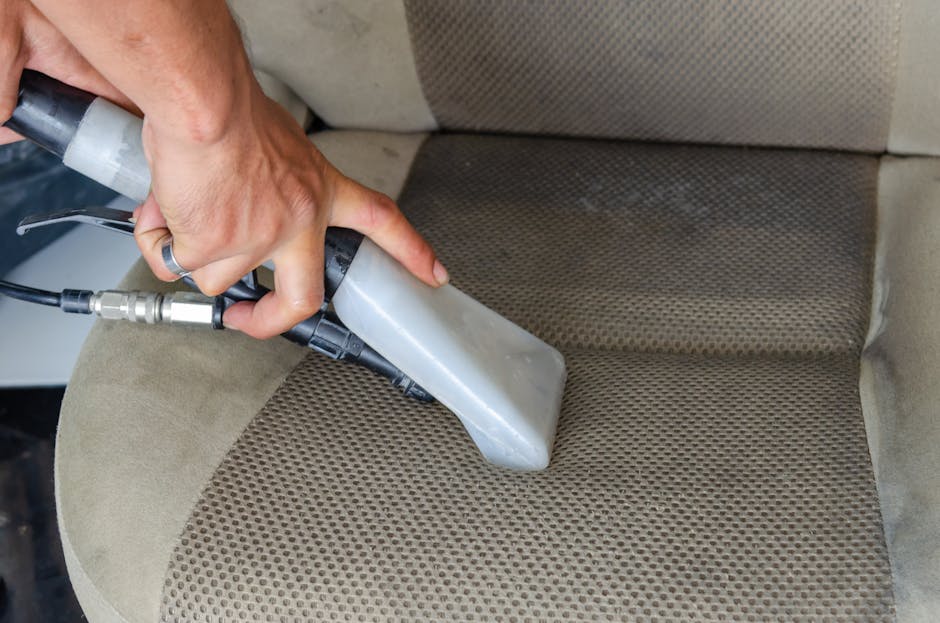
In commercial settings, the most common methods are low-moisture extraction, hot water extraction where suitable, dry cleaning methods for delicate fabrics, and targeted spot treatment. The right choice depends on the fibre, the amount of soiling, and how quickly the furniture needs to be ready for use again.
Here is the basic flow you would normally expect:
- Inspection - the fabric type, construction, wear pattern, and stain risks are assessed.
- Vacuuming - loose dust and crumbs are removed before any liquid cleaning starts.
- Pre-treatment - stains, grease, and high-traffic areas are treated with a suitable product.
- Cleaning - the selected method is applied carefully and evenly.
- Extraction or wipe-down - residues are removed as far as possible.
- Drying - airflow is encouraged so the furniture can return to service sooner.
- Final check - the cleaner reviews the result and flags any stubborn marks that may need follow-up.
For businesses, timing matters as much as technique. A cafe may need work done before opening hours, after service, or in sections. A shop may prefer cleaning during quieter midweek periods. This is where planning makes the difference between a smooth service and a minor headache.
In practice, the best results usually come from combining good technique with realistic expectations. Some stains, especially older dye transfer or heat-set marks, may improve rather than disappear completely. That is normal. The key is to lift what can be lifted safely and avoid damaging the fabric in the process.
Key Benefits and Practical Advantages
Commercial upholstery cleaning is not a vanity project. It is one of those maintenance tasks that pays back in small but important ways.
- Better customer perception: clean seating tells people the business is cared for.
- Improved hygiene: regular cleaning helps remove crumbs, drink spills, body oils, and day-to-day buildup.
- Longer furniture life: less embedded dirt means less abrasion on fibres.
- Odour control: useful in cafes, where food and drink smells can cling to fabric.
- Reduced replacement pressure: keeping upholstery in service longer protects the budget.
- More consistent branding: fresh seating supports a polished shop or hospitality image.
There is also a quieter benefit: staff simply tend to treat a well-kept environment better. When the furniture looks fresh, people are more likely to keep it that way. It sounds small, but in real life it makes a difference.
If your business is already investing in wider presentation, upholstery cleaning pairs well with other services such as deep cleaning, office cleaning, or window cleaning. The goal is consistency. Customers tend to notice mismatched standards immediately.
Who This Is For and When It Makes Sense
This service is a strong fit for any Bromley High Street business with upholstered seating or fabric furnishings that the public can see or use. That includes cafes, bakeries, sandwich shops, salons, barbers, boutiques, phone repair shops, estate agents, waiting areas, and small offices with customer-facing seating.
You may need upholstery cleaning if:
- seats have visible marks, spills, or dull patches;
- the fabric smells stale after busy trading periods;
- you have had a seasonal rush and the furniture looks worn from heavy use;
- customers sit for longer periods and the fabric picks up oils and dust;
- you are preparing for a refit, inspection, or photoshoot;
- you want to avoid replacing chairs or benches sooner than necessary.
It also makes sense after renovation or maintenance work, particularly if dust has settled into soft furnishings. In some cases, a one-off refresh is enough; in others, the business benefits from a regular schedule. A small cafe may need quarterly attention, while a busy seating area could need more frequent care. There is no one-size-fits-all answer, which is slightly annoying, but true.
If your premises also need broader cleaning support, it can help to look at a trusted cleaning company that handles multiple surfaces. Many businesses prefer one coordinated visit rather than juggling separate contractors.
Step-by-Step Guidance
Below is a sensible way to plan upholstery cleaning for a busy high street business without causing unnecessary disruption.
- Identify the furniture types. Note which pieces are fabric, faux leather, velvet, wool blend, or mixed material. Different surfaces need different products.
- Check for labels or care instructions. If the furniture has manufacturer guidance, follow it. If not, the cleaner should test a small hidden area first.
- Map the problem areas. Look for food stains, hand marks, seat-edge wear, odours, and any seams that are weakening.
- Choose the method. Low-moisture or dry methods are often better for delicate pieces, while more robust fabrics may tolerate deeper cleaning.
- Clear the space. Move lightweight items, remove cushions where possible, and allow access around each piece.
- Schedule around trading hours. Early mornings, evenings, and quieter days are usually easier for cafes and shops.
- Allow proper drying time. Don't rush this. Damp upholstery and customers do not mix well, and nobody wants that faint wet-fabric smell lingering at lunchtime.
- Inspect the result. Check high-traffic zones carefully once dry, then decide whether any follow-up spot treatment is needed.
If the upholstery sits alongside hard surfaces, it can be efficient to combine it with hard floor cleaning. Many businesses find this saves time and keeps the overall finish more even.
Expert Tips for Better Results
In our experience, the best upholstery cleaning results come from a few simple habits rather than dramatic intervention.
1. Deal with spills quickly. The longer a spill sits, the more likely it is to spread or set. A prompt blot, not a scrub, is usually the safer first move.
2. Vacuum regularly. Dry crumbs and grit act like sandpaper. They do not look dramatic, but they quietly damage fibres over time.
3. Rotate use where possible. If your seating has different levels of wear, shifting customer flow or rotating cushions can balance the impact a little.
4. Keep a fabric log. Sounds a bit fussy, but it helps. Note the cleaning date, stain issues, and any fabric sensitivities for next time.
5. Ask for a test patch on unknown fabrics. Especially if the furniture is velvet, delicate synthetic, or has an older dye that may react badly.
6. Use airflow after cleaning. Open doors where possible, run extraction fans if appropriate, and avoid piling cushions back too early.
7. Treat odour as a clue, not just a nuisance. Smells can indicate food residue, moisture retention, or deeper contamination in the padding.
One small but important point: not every mark is actually dirt. Some are fibre crush, fading, or the result of repeated pressure. A skilled cleaner will tell you the difference. That honesty matters.
Common Mistakes to Avoid
It is easy to make upholstery look worse by trying too hard. That sounds dramatic, but it happens all the time.
- Scrubbing stains aggressively. This can spread the mark and damage the pile or weave.
- Using the wrong product. Strong detergent is not a shortcut; sometimes it leaves a sticky residue that attracts more dirt later.
- Over-wetting the fabric. Too much moisture can lead to long drying times, water marks, or wick-back stains.
- Ignoring fabric type. Velvet, faux suede, and natural fibres each behave differently.
- Cleaning without a test. A hidden patch test is a basic safeguard, not an optional extra.
- Forgetting about drying time. A seat that looks clean but is still damp is not ready for customers.
- Leaving the job too long. The longer grime sits in the fabric, the harder it is to shift.
Another common issue is cleaning only when something looks terrible. In a busy cafe or shop, that usually means the job is already harder than it needed to be. A lighter, more regular schedule is often cheaper in the long run. Not always, but often.
Tools, Resources and Recommendations
For businesses wanting a clearer idea of what professional cleaning may involve, it helps to understand the basic kit and supporting materials used on site.
- Commercial vacuum cleaners: used first to remove dry dust and debris.
- Upholstery tools: smaller attachments help reach seams, buttons, and tight corners.
- Fabric-safe pre-sprays: these loosen soil before the main clean.
- Spotting agents: used on specific stains such as coffee, syrup, or cosmetic transfer.
- Microfibre cloths: useful for controlled wiping and residue removal.
- Air movers or good ventilation: help reduce drying time.
From a planning point of view, useful internal pages can help you understand how a provider works before booking. For example, you may want to review pricing and quotes if you are budgeting for multiple seats or recurring visits. If you are comparing providers, the about us page can also help you judge whether the business feels like a good fit.
And if you want to know how a company handles standards, it is sensible to look at their health and safety policy and insurance and safety information. That is not overthinking it. It is just good business sense.
Law, Compliance, Standards, or Best Practice
For cafes and shops, upholstery cleaning sits within broader premises upkeep, risk management, and hygiene best practice. There is usually no single rule that says exactly how often upholstery must be cleaned, but businesses are expected to keep customer areas reasonably clean, safe, and well maintained.
In practical terms, that means you should think about:
- Slip and trip risk: damp cleaning should be managed so seating areas do not become hazardous.
- Product suitability: any chemical used should be appropriate for the fabric and applied with care.
- Ventilation: good airflow helps avoid lingering moisture and odours.
- Staff and customer safety: cleaning should be scheduled so people are not sitting on wet or treated surfaces.
- Documentation: keeping service notes can help with routine maintenance and accountability.
It is also sensible to choose a company that can explain how they work in a busy commercial setting. If they are used to handling customers, staff movements, and front-of-house timing, that is a good sign. The cleaner should not treat a Bromley High Street cafe like a quiet spare room at home. Different world entirely.
For businesses that like things orderly, policies such as terms and conditions and privacy policy can also reassure you about how bookings and customer information are handled. It may not be glamorous, but it matters.
Options, Methods, or Comparison Table
Different upholstery cleaning methods suit different situations. The table below gives a simple comparison for cafe and shop settings.
| Method | Best for | Pros | Watch-outs |
|---|---|---|---|
| Dry cleaning | Delicate fabrics, quick turnaround | Low moisture, faster drying | May be less effective on deep, greasy soil |
| Low-moisture cleaning | Busy commercial seating, routine refreshes | Practical, efficient, less disruption | May need follow-up on stubborn spots |
| Hot water extraction | Hard-wearing fabrics, deeper soil removal | Strong deep-clean effect | Longer drying time, not suitable for every fabric |
| Spot treatment only | Small isolated marks | Fast, targeted, budget-friendly | Does not refresh the whole piece |
For most Bromley High Street premises, the decision is not about finding the "best" method in theory. It is about choosing the safest method for the fabric and the least disruptive option for trading hours. If you have mixed seating, you may need more than one approach. That is normal.
Where upholstery is part of a wider refresh, some businesses also pair the visit with sofa cleaning or rug cleaning for any soft furnishings in customer or staff areas. It keeps the finish consistent, which is oddly satisfying when you walk back in after everything has dried.
Case Study or Real-World Example
Imagine a small cafe near the high street with six upholstered benches, a couple of padded chairs near the window, and one fabric seat in the waiting area by the counter. Nothing dramatic. Just normal day-to-day use. Over time, the bench corners darken, one seat picks up coffee splash marks, and the waiting chair starts to hold a faint food smell in the fabric.
The owner keeps the tables spotless, the floor clean, and the glass looking smart, but the seating is beginning to let the room down. Customers may not mention it, though they notice. They always do, in their own quiet way.
By scheduling an early-morning upholstery clean before opening, the business gets the seating refreshed without losing trade. The process focuses on pre-treatment for the coffee marks, careful low-moisture cleaning on the main seating, and a drying period with doors open and airflow managed. By lunchtime, the cafe feels lighter. The smell is better. The seating looks more even. Nothing flashy, just noticeably better.
That kind of result is often enough to change the tone of a room. And for a shop, it can be the same with fitting-room seating or a customer consultation chair. Small detail, big effect.
Practical Checklist
Use this checklist before booking or scheduling upholstery cleaning in a Bromley High Street cafe or shop.
- Identify every upholstered item in customer-facing areas.
- Check the fabric type and any care instructions.
- Note current stains, odours, and worn patches.
- Decide which areas need full cleaning and which only need spot treatment.
- Choose a time that will not interrupt trade.
- Confirm drying time and access requirements.
- Ask whether the method is suitable for delicate or mixed fabrics.
- Check that the provider has appropriate insurance and safety procedures.
- Clarify whether the quote covers pre-treatment and stain work.
- Plan a simple maintenance schedule after the clean.
If your business wants a broader refresh, it may also be worth looking at one-off cleaning for a deeper reset before a busy season or event. That can be useful before launches, refurbishments, or a return to high footfall after a quieter period.
Conclusion
Upholstery cleaning for Bromley High Street cafes and shops is one of those services that quietly does a lot of heavy lifting. It protects presentation, helps furniture last longer, and supports the kind of clean, welcoming atmosphere that keeps people comfortable while they browse, wait, or sit down for another coffee.
The best approach is usually straightforward: know your fabrics, choose the right method, schedule the work with care, and keep up with regular maintenance before dirt gets a chance to settle in. Nothing fancy. Just sensible, consistent upkeep that respects the way your business actually operates.
Get a free quote today and see how much you can save.
And if you get the seating right, the rest of the room tends to follow. Funny how that works.
Frequently Asked Questions
How often should upholstery be cleaned in a Bromley High Street cafe or shop?
It depends on footfall, fabric type, and how much contact the seating gets. Busy customer-facing areas often benefit from scheduled cleaning a few times a year, with spot treatment in between. If the furniture starts to look dull or hold odours, that is usually your cue.
Can upholstery be cleaned without closing the business?
Often, yes. Many jobs can be carried out before opening, after hours, or in sections. The key is to agree drying time and access in advance so customers are not walking through a half-finished area.
What type of upholstery cleaning is best for delicate fabrics?
Delicate fabrics usually need low-moisture or dry cleaning methods, but the right choice depends on the exact material and manufacturer guidance. A test patch is wise if the fabric is older or unfamiliar.
Will upholstery cleaning remove coffee stains?
Fresh coffee stains often respond well, especially if treated quickly. Older stains are harder because they can set into fibres or padding. Results vary, so a professional cleaner will usually inspect the mark before promising anything specific.
Does commercial upholstery cleaning leave a smell?
It should not leave a strong chemical smell when done properly. You may notice a brief cleaning scent or the natural smell of damp fabric while it dries, but that should fade as ventilation does its job.
Is upholstery cleaning safe around food areas?
Yes, provided the work is carried out using suitable products and the seating is allowed to dry fully before people use it again. In food-serving spaces, timing and product choice matter quite a lot.
How much drying time should I expect?
Drying time depends on fabric type, cleaning method, ventilation, and room temperature. Light low-moisture cleaning may dry faster, while deeper extraction cleaning usually needs longer. On a cool London morning, it can take a bit more patience than you would like.
Can old, worn upholstery still be improved?
Usually yes, at least to a point. Cleaning can remove embedded dirt and refresh colour, but it will not repair worn fibres or flattening. Sometimes a clean is enough to buy time before replacement.
Should I clean all seating at once or only the visible stains?
For customer-facing spaces, full cleaning tends to look more even than patch cleaning alone. Spot treatment can help in a pinch, but if only one area is cleaned, the difference in colour or texture may become obvious.
What should I ask before booking a cleaner?
Ask about fabric suitability, drying time, insurance, safety procedures, and whether pre-treatment is included. If you want a more complete refresh, ask how the service fits alongside deep cleaning or other maintenance work.
Do shops need upholstery cleaning as much as cafes?
Maybe not for food spills, but yes, they still need it. Waiting chairs, consultation seats, fitting-room benches, and soft seating all collect dust and contact marks. A retail space can look surprisingly tired if the upholstery is ignored.
Where can I find more information about the company behind the service?
You can review the company's about us page and service information, or check the relevant pages on pricing, policies, and safety. That gives a more rounded picture before you book.